How to Stay Private on Hookup Apps

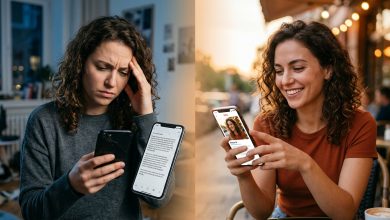
You might have explored the general landscape of casual dating and hookup apps, understanding the basic mechanics of finding connections. However, what often remains unaddressed is the critical layer of personal security and anonymity in this digital space.
This article is designed to reveal exclusive strategies for robust privacy dating, going beyond simple profile tips to offer a comprehensive guide on creating and maintaining truly discreet profiles. We will delve into advanced settings, communication tactics, and risk mitigation, ensuring your pursuit of casual encounters doesn’t compromise your personal information or peace of mind. Protecting your identity online is paramount, and we’ll show you exactly how to achieve it.
Crafting Discreet Profiles for Enhanced Privacy Dating
The foundation of effective privacy dating lies in how you present yourself online. Many users inadvertently share too much, making it easy for others to trace their identity outside the app. To create truly discreet profiles, begin with a pseudonym or a non-identifying username. Avoid using your real first name, especially if it’s unique. For photos, choose images that don’t reveal your face directly, or use pictures where your face is obscured or taken from an angle that makes identification difficult. Consider using photos taken in generic locations rather than easily recognizable landmarks near your home or workplace. Never upload photos that are also on your public social media profiles, as this is a common way for people to connect the dots. Furthermore, blur or crop out any identifying features in the background, such as street signs, house numbers, or company logos. Your goal is to be appealing without being identifiable. This meticulous approach to your profile ensures a strong first line of defense in your online privacy strategy, setting the stage for secure and anonymous interactions.
Beyond visuals, the text in your profile requires careful consideration. Avoid mentioning specific details about your job, such as your company name or even your precise industry if it’s niche. Instead of stating “I’m a software engineer at TechCorp,” opt for “I work in tech.” Similarly, refrain from listing educational institutions, specific hobbies that might be easily traceable, or favorite hangouts. The less information you provide that could be cross-referenced with your public digital footprint, the better. Think of your profile as a curated snippet of information designed solely for the app’s context, not a comprehensive autobiography. This level of anonymization is crucial for maintaining privacy dating integrity and preventing unwanted real-world connections. Remember, a truly discreet profile focuses on personality and interests, not on specific identifying markers.
Mastering App Settings for Optimal Digital Anonymity
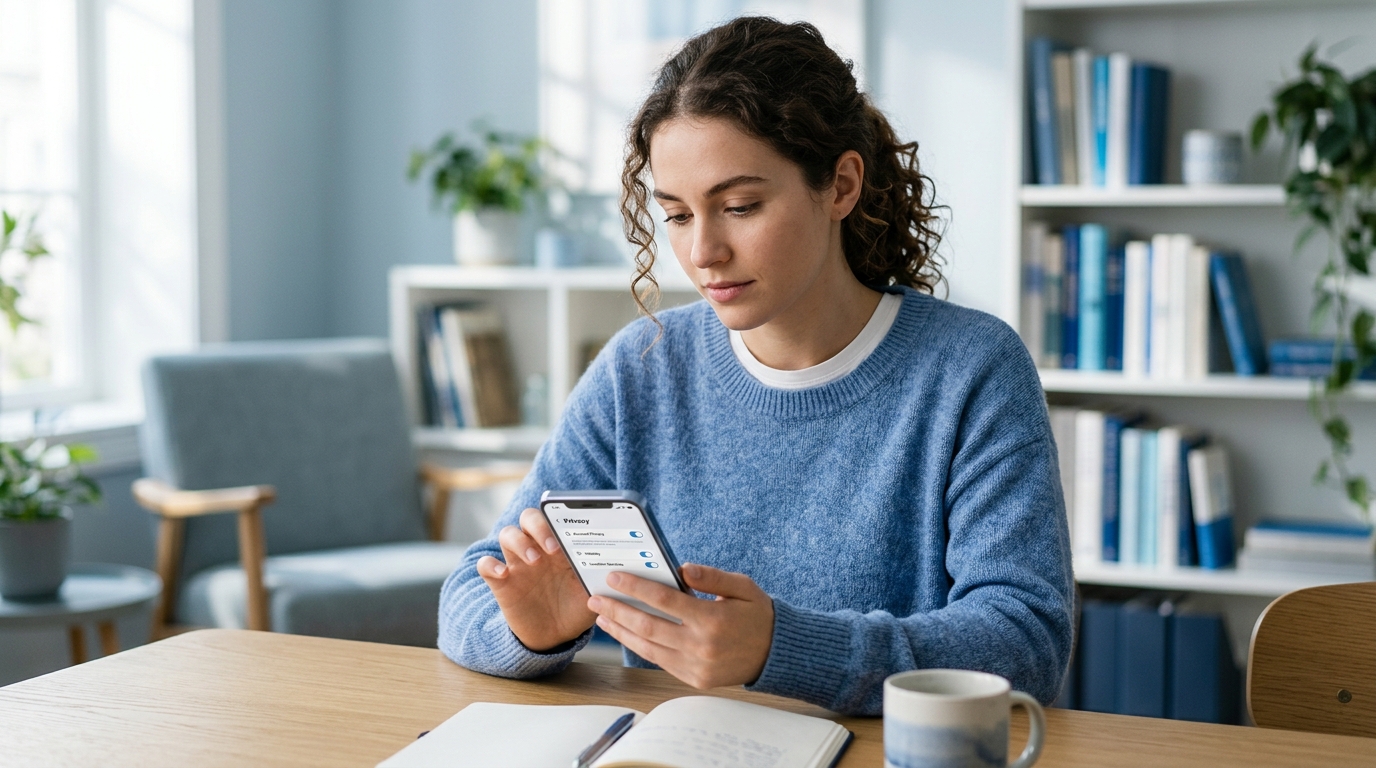
Most hookup apps offer a range of privacy settings, but many users overlook their potential. Delving into these settings is a cornerstone of successful privacy dating. Start by reviewing your location services. Many apps default to precise location tracking, which can reveal your exact whereabouts. Opt for broader location settings, or consider disabling location services entirely when not actively using the app. Some apps offer a “hide my distance” feature, which is invaluable for maintaining anonymity. Explore options for controlling who sees your profile. This might include “incognito mode,” “private browsing,” or the ability to hide your profile from mutual connections or specific demographics. If available, use features that prevent your profile from being shown to people you might know in real life, such as “block contacts” lists. Regularly check these settings, as app updates can sometimes reset them. Understanding and utilizing every privacy feature available within the app itself is a proactive step towards safeguarding your personal data and ensuring your interactions remain within the bounds of your choosing.
Another critical aspect of app settings involves notifications and visibility. Configure notifications to be discreet, avoiding any pop-ups that might inadvertently expose your app usage to others around you. Disable read receipts if you prefer not to disclose when you’ve seen a message. For apps that integrate with social media, ensure all such connections are severed or set to the highest privacy level. Even seemingly innocuous features like “recently active” indicators can provide too much information. By meticulously adjusting these internal app controls, you build a robust shield against unwanted exposure. This proactive management of your digital presence within the app is a key component of maintaining truly discreet profiles and an overall secure approach to privacy dating.
Secure Communication and Transitioning Off-App Safely
Once you connect with someone, the way you communicate is vital for maintaining privacy. Initially, keep all conversations within the app’s messaging system. This provides a layer of anonymity and allows you to block users easily if needed. Avoid sharing personal contact information like your phone number, email address, or social media handles too early. When you feel comfortable enough to move the conversation off the app, consider using a secondary communication method. A burner phone number, a Google Voice number, or a new email address created specifically for casual dating can provide an excellent buffer. This prevents your primary contact details from being exposed, adding another layer of security to your privacy dating efforts. Never feel pressured to share information you’re not ready to disclose.
When meeting in person, always choose a public place for the first encounter and inform a trusted friend about your plans, including the location and estimated return time. This is not directly about digital privacy, but it is a crucial safety measure when engaging in casual dating. Avoid sharing details about your home address or workplace until you have established a significant level of trust. Remember that even seemingly harmless information can be pieced together by someone determined to find out more about you. Maintaining this vigilance in your communication strategy, both online and offline, is essential for truly discreet profiles and a safe hookup experience. Protecting your identity online extends to protecting your physical safety as well.
Identifying and Mitigating Privacy Risks and Scams
The digital landscape of hookup apps, while convenient, is not without its perils. Understanding common privacy risks and scams is crucial for effective privacy dating. Be wary of profiles that seem too good to be true, or those that immediately try to move the conversation off the app to a less secure platform. Scammers often attempt to extract personal information, financial details, or even engage in catfishing. Always verify the authenticity of a profile if you have doubts; reverse image searches can sometimes reveal if photos are stock images or stolen from other sources. Never click on suspicious links sent by matches, as these can lead to phishing sites or malware. Report any suspicious activity to the app administrators immediately. Your diligence in identifying these threats directly contributes to the security of your discreet profiles.
Beyond direct scams, be mindful of potential data breaches. While individual users can’t prevent an app’s servers from being compromised, you can minimize the impact. Use strong, unique passwords for your hookup app accounts, and enable two-factor authentication if available. Avoid using the same password across multiple platforms. Regularly review the app’s privacy policy to understand how your data is collected, stored, and shared. Educating yourself on these broader cybersecurity practices is an integral part of maintaining your digital anonymity and protecting your personal data in the realm of casual dating. Staying informed about potential vulnerabilities empowers you to make better choices about what information you share and where.
The Digital Footprint Audit: Securing Your Online Presence
Your efforts to create discreet profiles on hookup apps can be undermined if your broader digital footprint is easily searchable. A thorough digital footprint audit is a crucial, often overlooked, step in comprehensive privacy dating. Start by searching for your own name, email address, and phone number on major search engines. See what public information is readily available. This might include old social media profiles, public records, or mentions on websites. Take steps to remove or privatize any information that could link your real identity to your anonymous hookup app activities. Adjust privacy settings on all your social media accounts to their strictest levels. Consider using a virtual private network (VPN) when accessing hookup apps, as this can mask your IP address and add another layer of anonymity to your online activities, further enhancing your digital privacy.
Another aspect of this audit involves reviewing permissions for apps on your smartphone. Many apps request access to your contacts, photos, microphone, or camera. Limit these permissions to only what is absolutely necessary for the app’s functionality. For hookup apps, this often means restricting access to your photo gallery and location. Regularly clear your browser history and cookies, especially if you access dating sites on shared devices. The goal is to create as much separation as possible between your public online persona and your private casual dating activities. This holistic approach to managing your digital identity is what truly fortifies your privacy dating strategy and allows you to engage with confidence, knowing your personal data is secure.
Choosing Privacy-Focused Hookup Apps
While many popular hookup apps offer privacy settings, some platforms are inherently designed with greater emphasis on user anonymity and data protection. When selecting an app, research its reputation for privacy dating features. Look for apps that offer end-to-end encryption for messages, robust identity verification processes that don’t compromise personal data, and clear, transparent privacy policies. Apps that allow for anonymous browsing or offer advanced filtering to prevent your profile from being seen by certain groups can be particularly beneficial for those seeking truly discreet profiles. Prioritizing platforms that demonstrate a strong commitment to user privacy can significantly reduce your risk exposure and enhance your overall experience. This conscious choice of platform is a proactive measure in your quest for secure and private casual dating.
Privacy Features: Premium vs. Standard App Experience
- ✦ **Premium App Features:** Often includes “incognito mode” allowing you to view profiles anonymously without appearing in their feed; advanced filters to hide from specific demographics or contacts; “read receipts” control; enhanced security protocols like verified profiles and fraud detection; option to hide distance/location; dedicated support for privacy concerns.
- ✦ **Standard App Features:** Basic profile visibility controls; ability to block users; general location sharing (often precise); limited options for anonymous browsing; standard messaging without advanced encryption; basic reporting mechanisms.
- ✦ **Identity Verification:** Premium might offer more robust verification (e.g., photo verification with live selfie) to reduce fake profiles, while standard typically relies on email or phone number verification, which is less secure for privacy dating.
- ✦ **Data Retention:** Some premium services might offer more control over data deletion or retention periods, whereas standard accounts often adhere to a default policy that may keep data for longer.
- ✦ **Ad Personalization:** Premium versions often remove ads or offer more control over ad personalization, reducing the data collected about your app usage by third-party advertisers, crucial for maintaining discreet profiles.
Your Privacy Dating Checklist
- ✅ Use a pseudonym or non-identifying username on your profile.
- ✅ Select photos that do not reveal your face or any identifiable landmarks.
- ✅ Avoid linking your hookup app profile to any public social media accounts.
- ✅ Limit personal details in your profile text (job, school, specific hobbies).
- ✅ Disable precise location services for the app; use broader settings or hide distance.
- ✅ Explore and utilize all available in-app privacy settings (incognito mode, hide from contacts).
- ✅ Configure discreet notifications to prevent accidental exposure.
- ✅ Keep initial conversations within the app’s messaging system.
- ✅ Use a secondary phone number or email for off-app communication.
- ✅ Be vigilant for scam profiles and suspicious links; report them immediately.
- ✅ Conduct a personal digital footprint audit to remove or privatize identifying information.
- ✅ Use strong, unique passwords and enable two-factor authentication for app accounts.
- ✅ Consider using a VPN for added anonymity when accessing hookup apps.
- ✅ Choose hookup apps known for their robust privacy features and policies.
Frequently Asked Questions About Privacy Dating
Q: Can I really be completely anonymous on a hookup app?
A: While complete anonymity is challenging in any online environment, by following the strategies for privacy dating discussed, you can significantly reduce your identifiability. The goal is to make it extremely difficult for someone to link your app profile to your real-world identity, effectively maintaining truly discreet profiles.
Q: Is it safe to use a photo without my face?
A: Yes, many people choose to use non-face photos for privacy reasons. It’s a common practice for creating discreet profiles. Focus on showcasing your personality or other appealing features in your photos to still attract matches while protecting your identity online.
Q: How can I tell if someone is a scammer and not just private?
A: Scammers often exhibit red flags: they try to move off-app quickly, ask for money or personal financial details, have inconsistent stories, or their profile seems overly perfect. Someone who is genuinely private will still engage in conversation and not pressure you for personal information. Trust your instincts and prioritize your privacy dating security.
Q: Should I use a VPN when using hookup apps?
A: Using a VPN can add an extra layer of digital anonymity by masking your IP address, which can enhance your privacy dating efforts. It’s not strictly necessary for everyone, but it’s a good practice for those who prioritize maximum online privacy and want to ensure truly discreet profiles.
Q: What if an app forces me to link my social media?
A: If an app mandates social media linking and you’re concerned about privacy, it might not be the right platform for your privacy dating goals. Look for apps that offer more flexibility or consider creating a completely separate, anonymous social media account just for that purpose, although this adds complexity to maintaining discreet profiles.
Q: Can apps share my data even if I set privacy settings high?
A: While high privacy settings reduce immediate exposure, apps’ privacy policies dictate how they collect, use, and share data with third parties (e.g., advertisers). Always read the privacy policy to understand what data practices you’re agreeing to, even when striving for discreet profiles. This is fundamental to effective privacy dating.
Securing your personal information on hookup apps is not just about avoiding awkward encounters; it’s about protecting your digital identity and ensuring peace of mind. The strategies for privacy dating and creating discreet profiles outlined here are essential tools in navigating the casual dating landscape safely. Don’t wait to fortify your online presence. Take immediate action to implement these measures and regain control over your personal data. The next step is to review your current app settings and start building your most secure profile yet, ensuring your adventures remain private and enjoyable.
Conditions vary by profile. Consult official terms.
Fontes oficiais
Federal Trade Commission – Privacy & Security ·
Electronic Frontier Foundation – Privacy
Links para sites externos. Verifique sempre as fontes oficiais.
Official Sources and References
By clicking the links above, you will be redirected to external websites. We are not responsible for third-party content. Always verify information from official sources.